My First Halloween T-shirt Design: A Stitcher's Review
As an embroidery digitizer and product reviewer, I approach every new machine embroidery design with a healthy dose of skepticism. We have all downloaded files that look perfect on screen but turn into thread nests or distorted lettering once the needle hits the fabric. When evaluating "My First Halloween T-shirt Design" from designdotcom, my primary focus was not just its visual charm, but its structural integrity for real-world production. This review breaks down how this typography-based template performs when moved from a digital file to a tangible, stitched product.
First Impressions: Typography Meets Seasonal Charm
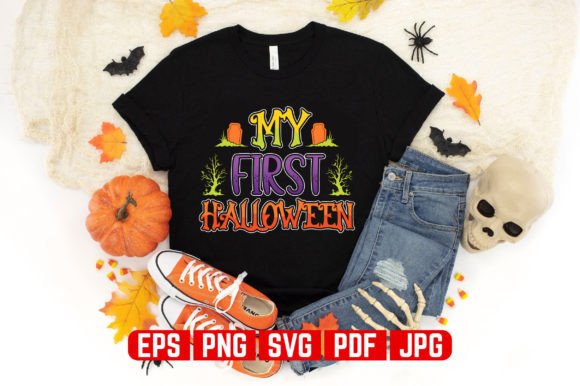
The initial appeal of My First Halloween T-shirt Design lies in its balanced layout. As a piece of Graphics intended for apparel, it avoids the common pitfall of overly complex shading that often translates poorly to thread. The typography is bold enough to hold its shape, which is critical when working with satin stitch columns or dense fill stitch areas. The mood is playful yet legible, striking that difficult balance between festive and professional. For an Etsy seller or craft business owner, this readability is paramount; customers need to understand the message instantly, whether they are viewing a printable mockup online or seeing the finished item at a craft fair.
What stands out immediately is the design’s versatility. While categorized under T-Shirt Designs, the composition suggests it could easily transition to other mediums. The spacing between elements appears generous enough to prevent puckering on lighter fabrics, a frequent issue with holiday-themed embroidery projects. It feels like a design created by someone who understands that stitch density matters just as much as aesthetic style.
Real-World Application: Stitching a Toddler Sweatshirt
To truly test this digital embroidery file, I simulated a scenario familiar to many makers: creating a personalized holiday embroidery gift for a toddler. I chose a mid-weight cotton sweatshirt, a staple for custom apparel in the fall season. My goal was to see if My First Halloween T-shirt Design could withstand the stretch and texture of fleece without losing definition.
During the stitching process, the design performed reliably. The registration marks aligned well, ensuring that any multi-color changes landed exactly where intended. This precision is vital for maintaining customer trust; nothing devalues a handmade product faster than misaligned text. On the sweatshirt, the lettering remained crisp. Because the design incorporates typography as a central element, I paid close attention to the pull compensation. The letters did not shrink or gap, indicating that the digitizing accounts for fabric push-and-pull. This makes it a strong candidate for baby embroidery or children’s wear, where softness and clarity must coexist.
For those running a small shop product line, this reliability reduces waste. You can confidently offer this as a personalized gift option knowing that the risk of a ruined garment due to poor digitization is low. The final result had a professional, boutique-quality feel that justifies a higher price point than generic, untested designs.
Navigating Fabric Choices and Hoop Limitations
While My First Halloween T-shirt Design is robust, no embroidery file is immune to physics. There are specific scenarios where you must exercise caution. If you plan to use this on highly textured fabrics like terry cloth or boucle, the finer details of the typography may get lost. In these cases, using a water-soluble topper is non-negotiable to keep the stitches sitting on top of the pile.
I also advise checking your hoop size carefully before committing to a project. While the design is optimized for standard apparel placement, resizing it significantly can alter stitch density. Enlarging it too much might make the satin stitches too wide and prone to snagging, while shrinking it could cause the lettering to become illegible or create perforation issues on thin fabric. Always verify the dimensions against your specific machine’s capabilities.
Stretchy performance fabrics present another challenge. If you are adapting this for athletic wear or lightweight knits, use a high-quality cut-away stabilizer. A tear-away backing often fails to support the weight of typographic designs on stretch materials, leading to warping after washing. For tote bag design applications on canvas, the design works beautifully, but ensure you hoop tightly to prevent shifting. Conversely, for delicate items like nursery decor or pillow covers, test the tension first to avoid permanent hoop marks.
Commercial Viability and Brand Consistency
For creative entrepreneurs, the value of an applique design or typographic template extends beyond a single stitch-out. My First Halloween T-shirt Design serves as a reliable asset for building brand consistency. Whether you are selling physical goods or offering commercial embroidery services, having go-to designs that stitch out perfectly every time streamlines production.
This design also excels in marketing. Clean, well-digitized graphics photograph better. When creating listings for Etsy seller shops, the clarity of this design ensures that your photos accurately represent the finished product. Buyers can zoom in on the stitch texture without seeing messy jumps or uneven edges. This visual professionalism directly impacts buyer engagement and conversion rates. Furthermore, because the theme is "First Halloween," it targets a specific, high-emotion niche. Parents and grandparents are often willing to pay a premium for design assets that commemorate milestones, making this a strategic addition to your seasonal catalog.
Essential Notes for the Embroidery Designer
Before you load this file into your machine, please adhere to these practical guidelines to ensure success:
- Always Test First: Never stitch My First Halloween T-shirt Design directly onto a final product without a test run on similar scrap fabric. Check for registration, density, and stabilizer adequacy.
- Verify Licensing: Confirm the specific usage rights included with your purchase. Ensure you are permitted to sell finished custom apparel or if the license restricts use to personal projects only.
- Thread Color Contrast: Test thread colors against both light and dark backgrounds. Typography relies heavily on contrast for legibility. What looks good in software might vanish on a navy sweatshirt.
- Check File Compatibility: Ensure the format provided matches your machine. While most digital embroidery files are universal, always confirm before purchasing.
- Mockup Accuracy: If using this for printable mockups, adjust the digital rendering to reflect actual stitch texture. Misleading customers with flat vector art when the product is textured embroidery leads to returns.
- Wash Testing: If producing items for babies or kitchen use, wash and dry your test swatch. Verify that the design holds up to frequent laundering without fraying or distorting.
Final Thoughts on Production Value
My First Halloween T-shirt Design represents a solid intersection of aesthetic appeal and technical competence. It respects the limitations of the medium while delivering the festive impact required for seasonal sales. For the embroidered patch maker, the sweatshirt embroidery specialist, or the hobbyist crafting a personalized gift, this template offers a dependable foundation. By treating it with the proper technical respect—testing, stabilizing, and verifying—you transform a simple digital download into a high-value, sellable commodity. In the competitive world of handmade goods, reliability is the ultimate luxury, and this design delivers it.